Health Care Matters Stories: Chrissa Krahn
October 15, 2026

A Family's Journey Through Rural Cancer Care
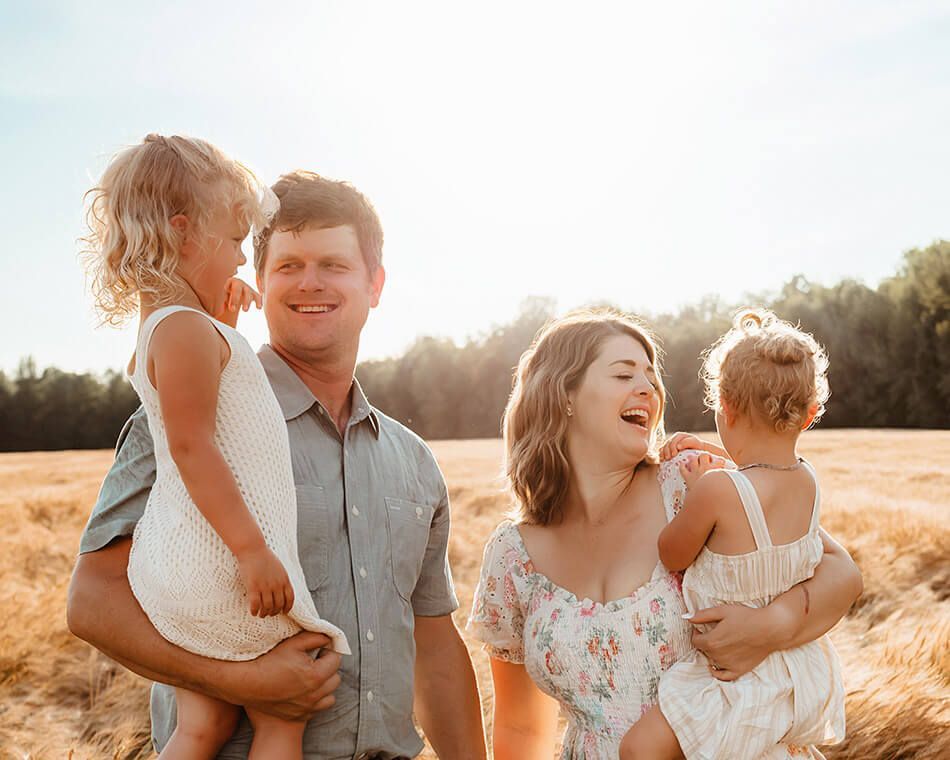
Chrissa Krahn Family

For Chrissa Krahn, a 30-minute medical test meant a 10-hour drive — and leaving her baby and toddler at home while she travelled for care.


The Rainy River working mother was pregnant when she learned she had breast cancer in November 2022. Life with a growing family soon became a balancing act of treatment, travel and arranging support.


“I had to drive all the way to Thunder Bay one day just for an echocardiogram,” she says, expressing one of the greater frustrations with health care realities living in rural and remote areas. “So a 10-hour drive for a 30-minute test that should be offered in our area.”


The distance carried a personal cost as she was forced to prioritize treatment and feeling like she wasn't able to meet the needs of her young children.


“I had to leave my baby and my toddler and make that drive," Chrissa says. "It was hard. It was very hard.”


She estimates her family travelled back and forth to Thunder Bay at least 20 times, beyond the extended time spent there for radiation. That treatment required living away from home for three and a half weeks. That comes with financial costs in addition to the emotional ones.


Fortunately, chemotherapy available a little closer to home in Fort Frances, but those treatments still meant a lengthy round trip to and from Rainy River multiple times per week.


Chrissa's husband Calvin took time away from work to help support her treatment, care for their children and their home. Travel and accommodation added financial pressure. Even organizing appointments and hotels could feel overwhelming.


“I would just get through by thinking, OK, if I can just get to lunchtime … if I can just get to suppertime … if I can just get through the night,” Chrissa says.


She remembers compassionate care, particularly from the chemotherapy nurses. But she also recalls how much energy it took for her just to manage everything surrounding treatment.


“You don’t have the energy to repeat yourself or explain yourself," she says.


Coordinating appointments to reduce trips could have made a meaningful difference, giving her more rest and “peace of mind that they’re kind of looking out for you, too.”


Her question, “How can we make this easier?” helped lead her to the Rainy River District Ontario Health Team’s Patient and Family Advisory Committee. Now, she hopes others will share what receiving health care across the district looks like for them.


“Other people are probably experiencing the same challenges and struggles, and the more people speak up and make these known, then we have more advocacy for making these changes,” Chrissa says.


The Rainy River District Health Care Matters campaign invites residents to share through a public survey and community town halls. Their experiences can help inform future planning with the support of all the district health care providers as RRDOHT voices.


Everyday interactions matter too: finding a provider, receiving helpful support, travelling for an appointment or trying to understand where to turn.


Town halls take place October 20–24 in Atikokan, Fort Frances, Emo and Rainy River. The survey remains open until November 20 by jumping to rrdoht.ca/healthcarematters.


Tell us what health care looks like for you.
June 28, 2024
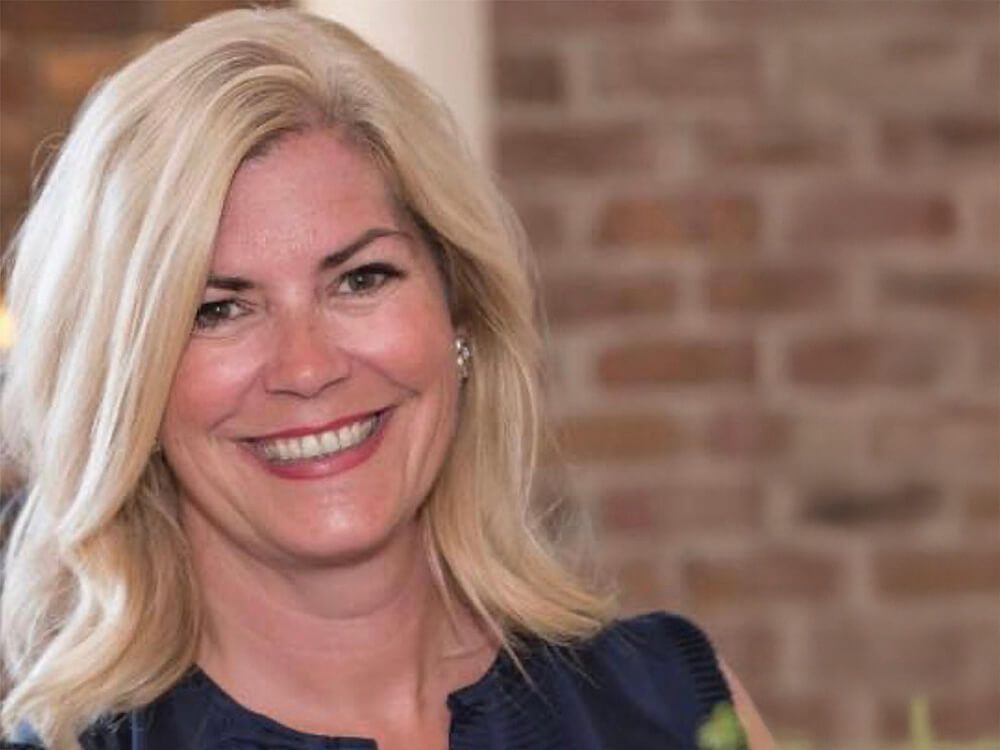
Following a lengthy search, we are excited to introduce Jackie Park as our new Executive Lead at the Rainy River District Ontario Health Team (RRDOHT). Jackie joined our team on June 10th, and we couldn’t be more thrilled. Jackie brings a wealth of experience from across various healthcare settings. She started her career in emergency care, working for two decades as an emergency and charge nurse, and honed her skills in high-pressure environments. She has a knack for enhancing healthcare processes and ensuring effective community engagement, developed through roles as a community liaison and process improvement coordinator. During the pandemic, she showcased her skills in leadership and navigating complex challenges as manager of pandemic community collaboration, assessment, and screening. Jackie comes to us now from her role as executive director of the Harbourview Family Health Team. She has led the team in Thunder Bay with a strong vision and dedication to improved community health and brought her voice to the Noojmawing Sookatagaing OHT Leadership Council, Governance, and Collaboration Council. On a personal level, Jackie has spent most of her life in Northwestern Ontario, growing up in the small community of Hurkett, east of Thunder Bay. Her deep roots in the region give her unique insights into the healthcare needs and challenges of our communities. She is a mother of three, with two children who have successfully launched their own careers. In her free time, Jackie enjoys the outdoors and travelling. She is a passionate advocate for healthcare equity in Northern Ontario and is excited to contribute to our vision of exceptional health care, close to home.
Digital Health
September 27, 2022
Working with many of its partners in the community, the RRDOHT Digital Health Committee is enabling tremendous growth in the realm of eReferrals. Several programs in Atikokan and Fort Frances are set to go online in the fall through the CMHA, with others like the Paramedicine program in the process of joining. The Atikokan General Hospital is expanding their eReferral footprint as well and while they are in different stages of progress, the goal is to be online in the fall as well with eReferral goals on track for the year. We look forward to more participants shortly. Digital Health Committee Lead: Jorge VanSlyke
Mental Health  Addictions
September 27, 2022
Existing mental health and addictions issues have been compounded by the global pandemic and our region ranks high in risk and struggles with accessibility. In an effort to reduce ED visits while having a positive impact on outcomes, Fort Frances Family Health Team and the Canadian Mental Health Association are collaborating on a funding opportunity to implement seamless referrals to remote care management (RCM) for individuals with mild to moderate anxiety and/or depression. This would allow patients to remain in community while staying appropriately connected to primary and mental health care, engaging with patients both virtually and in-person to develop necessary coping and wellness skills to prevent an escalation of symptoms and higher care needs.  Leveraging the SeamlessMD application, the RCM program assists the patient to follow-up with primary care when needed, and will also provide support, referral, and advocacy for housing, income support, employment services, education, legal, food security, cultural and traditional care support. MH&A Committee Lead: Charlene Strain